
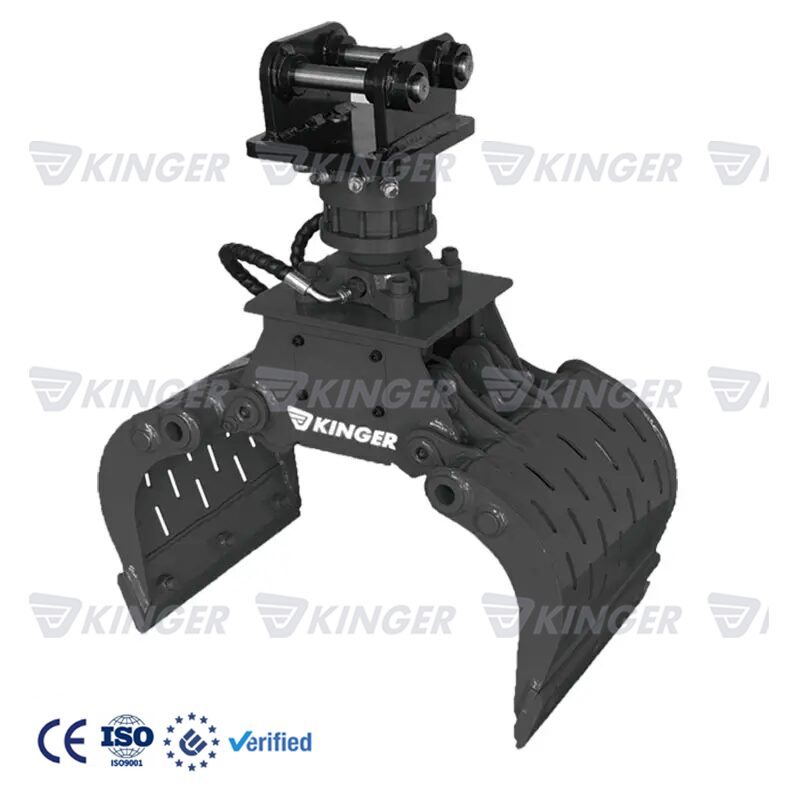
This comprehensive guide explains how to evaluate a heavy duty skid steer attachment manufacturer,
how to compare supplier strength and reputation, and how to identify the best factory partners
for long‑term cooperation. All information is industry‑generic and does not promote any specific company. It is suitable
for use as an SEO‑friendly blog article, category page, or industry guide.
Heavy duty skid steer attachments are specialized tools mounted on skid steer loaders to perform multiple tasks in
construction, landscaping, agriculture, demolition,
road maintenance, and material handling. A strong, reputable
skid steer attachment manufacturer can significantly improve machine productivity, safety, and total
cost of ownership for contractors and equipment dealers.
Typical categories of heavy duty skid steer attachments include:
Because these tools operate in harsh environments under high loads, the strength of the
skid steer attachment manufacturer directly influences durability, reliability, and operator safety.
Buyers and distributors therefore need a clear, structured method to assess each potential supplier’s
capabilities, reputation, and quality control.
A heavy duty skid steer attachment manufacturer is a production company or factory that designs,
engineers, fabricates, and tests attachments specifically engineered for skid steer loaders, with a focus on high‑strength
structures, wear resistance, and hydraulic performance. These manufacturers may serve:
Leading factories typically integrate several functions:
When evaluating a heavy duty skid steer attachment manufacturer, buyers should consider the full
product lifecycle from design to after‑sales support, not only the quoted price.
Choosing a strong, reputable manufacturer brings multiple benefits to dealers, OEMs, and end users. The table below
summarizes the typical advantages.
| Advantage Category | Description | Impact on Buyer |
|---|---|---|
| Structural Strength | Optimized frame design, proper steel grades, robust welds, and reinforced stress points. | Longer service life, fewer failures, safer operation under heavy loads. |
| Hydraulic Reliability | Correct hose routing, flow and pressure ratings, high‑quality cylinders and valves. | Stable performance, reduced leaks, lower downtime and repair costs. |
| Compatibility | Standard coupler geometry and hydraulic interfaces for common skid steer brands and models. | Easy attachment changes, simplified rental operations, reduced fitting issues. |
| Product Range | Comprehensive portfolio covering main attachment categories and multiple duty levels. | Single‑source procurement, less supplier management, stronger brand offering. |
| Engineering Support | Custom design capability, load calculations, and application consulting. | Attachments matched to real jobsite conditions, reduced risk of mismatch. |
| Quality Control | Incoming material inspection, weld tests, functional tests, and final inspections. | Consistent product quality, traceability, compliance with standards. |
| Certifications | Management and product certifications (e.g., ISO 9001, CE, relevant safety standards). | Easier market access, higher confidence for corporate customers and rental firms. |
| Lead Time & Capacity | Efficient production planning, sufficient workforce, and modern equipment. | Reliable delivery schedules, support for seasonal demand peaks and bulk orders. |
| After‑Sales Service | Spare parts stock, technical manuals, remote support, and warranty handling. | Lower lifecycle cost, stronger user satisfaction, improved brand loyalty. |
| Cost Efficiency | Optimized processes and material sourcing without compromising on safety. | Competitive pricing, better total cost of ownership, higher margin for resellers. |
Understanding the main categories of heavy duty skid steer attachments helps buyers evaluate whether a manufacturer can
cover all required applications. The following table summarizes commonly requested attachment types and typical features.
| Attachment Type | Typical Use | Key Heavy Duty Features | Important Specifications |
|---|---|---|---|
| General Purpose Bucket | Loading, grading, backfilling, light material handling. | Reinforced cutting edge, wear side plates, high tensile steel. | Width, capacity, weight, cutting edge thickness. |
| Rock Bucket | Sorting rocks, land clearing, construction debris handling. | High‑strength tines, heavy duty cross members, abrasion‑resistant steel. | Tine spacing, tine thickness, rated load, overall width. |
| 4‑in‑1 Bucket | Dozing, clamping, levelling, loading with one versatile tool. | Robust hinge pins, dual cylinders, reinforced jaws. | Jaw opening, breakout force, cylinder bore, operating weight. |
| Pallet Forks | Palletized materials, construction materials, warehouse work. | Forged tines, heavy duty carriage, locking mechanisms. | Rated lift capacity, tine length, tine class, fork spacing. |
| Grapple Bucket | Brush, scrap, demolition debris, logs, bulky materials. | Double or single grapples, reinforced lid structures, guarded cylinders. | Jaw opening, grapple width, cylinder size, rated load. |
| Hydraulic Breaker | Concrete breaking, rock demolition, trenching in hard ground. | Wear‑resistant housing, high impact power, reliable seals. | Impact energy, blows per minute, required flow & pressure. |
| Auger Drive | Fence posts, foundation piers, utility poles, planting trees. | High torque motor, heavy duty output shaft, planetary gearbox. | Torque rating, hydraulic flow range, auger diameter compatibility. |
| Trencher | Cable, pipe, irrigation, and drainage trenching. | Heavy duty boom, wear‑resistant teeth, strong drive system. | Trench depth, trench width, chain speed, recommended flow. |
| Brush Cutter / Mower | Brush clearing, land management, roadside maintenance. | Reinforced deck, balanced blades, heavy duty motor. | Cutting width, cutting capacity (diameter), flow requirement. |
| Snow Blade / Snow Pusher | Snow removal from roads, parking lots, sidewalks. | Replaceable cutting edge, angle adjustment, heavy duty frame. | Blade width, moldboard height, trip mechanism type. |
| Industrial Broom / Sweeper | Jobsite cleaning, road sweeping, debris collection. | Heavy duty bristle core, protective guards, dust control options. | Sweeping width, hopper capacity (if applicable), flow rate. |
The true strength of a heavy duty skid steer attachment manufacturer is visible in the materials and design principles
used across the product line. Buyers can evaluate supplier capability by asking for technical details and verifying
them against documentation and sample units.
High quality manufacturers generally use:
High strength low alloy (HSLA) steels for frames and high stress components to improve strength‑to‑weight ratio.
Abrasion resistant (AR) steels with higher hardness for wear surfaces such as cutting edges, tooth mounts, and
wear strips.
Forged steel for critical components like fork tines, pins, and some coupler elements.
Precision machined components for hydraulic connections, bearing surfaces, and pivot points.
Welding quality is a core indicator of a heavy duty attachment manufacturer’s competence. Look for:
A strong manufacturer combines practical field experience with engineering tools such as:
3D CAD design to reduce interference risks, improve service access, and standardize components.
Finite element analysis (FEA) for frame optimization and stress mapping on high load areas.
Simulation of hydraulic circuits to match oil flow, pressure, and temperature limits.
Prototype testing in real applications before mass production release.
Buyers and procurement teams need objective criteria to compare heavy duty skid steer attachment manufacturers. The table
below lists common capability indicators.
| Capability Area | What to Check | Why It Matters |
|---|---|---|
| Production Scale | Annual output, number of production lines, factory area, workforce size. | Shows if the manufacturer can support your volume, growth, and seasonal peaks. |
| Equipment Level | Presence of laser/plasma cutting, CNC bending, robotic welding, machining centers. | Modern equipment improves accuracy, repeatability, and cost control. |
| Engineering Team | Number of engineers, experience in attachments, use of CAD/FEA. | Determines ability to customize, upgrade designs, and solve application problems. |
| Quality System | Documented procedures, inspection points, test records, traceability. | Reduces risk of defects and supports consistent product performance. |
| Hydraulic Expertise | In‑house hydraulic engineers, testing benches, selection of components. | Critical for powered attachments like breakers, augers, mowers, and trenchers. |
| Surface Treatment | Shot blasting, primer, powder coating or wet painting lines. | Improves corrosion resistance, appearance, and brand image. |
| Tooling & Fixtures | Use of dedicated jigs and fixtures for repeatable assembly. | Ensures attachment geometry is correct and couplers fit consistently. |
| R&D Investment | New product launches per year, testing programs, feedback loops. | Indicates long‑term innovation capability and competitive advantage. |
| Documentation | Availability of manuals, parts lists, maintenance instructions. | Supports dealers and end users, simplifies training and repairs. |
| Export and Compliance | Experience with international markets, compliance with local regulations. | Helps ensure smooth customs clearance and conformity with safety laws. |
Strong heavy duty skid steer attachment manufacturers typically follow recognized quality and safety standards. Buyers
can request certificates and verify them with issuing bodies.
ISO 9001 (Quality Management) – proves that the manufacturer follows a structured quality management
system with documented processes and continual improvement.
ISO 14001 (Environmental Management) – indicates attention to environmental impact and regulatory compliance.
ISO 45001 / OHSAS 18001 (Health & Safety) – demonstrates a systematic approach to workplace safety.
CE marking for products entering the European Economic Area, confirming conformity with EU directives for safety.
Machinery safety standards relevant to mobile equipment and attachments in target markets.
Welding certifications for welders and procedures, especially for structural components.
While certifications alone do not guarantee performance, they are an important element of the overall manufacturer
reputation assessment.
Reliable heavy duty skid steer attachment manufacturers rely on detailed quality control and testing programs. Buyers
should ask for an explanation of the manufacturer’s quality workflow, supported by example inspection forms and test reports.
| Attachment Category | Key Test Items | Purpose |
|---|---|---|
| Buckets & Grapples | Load test, hinge function, cylinder operation, coupler fit. | Verify rated load, proper movement, and secure mounting. |
| Pallet Forks | Static load test, deflection check, carriage alignment. | Ensure safe lifting at rated capacity and fork geometry. |
| Hydraulic Breakers | Hydraulic pressure test, impact function, leakage check. | Confirm performance, avoid premature seal failures. |
| Augers & Trenchers | Torque output, rotation speed, chain run, case temperature. | Match performance with specified duty and flow range. |
| Brush Cutters / Mowers | Blade balance, vibration measurement, motor temperature. | Reduce vibration, protect motors, and improve operator comfort. |
A professional manufacturer provides clear technical data sheets for each attachment. The following table shows example
parameters often listed for heavy duty models. Values are illustrative and for reference only.
| Attachment Type | Main Size Range | Rated Capacity / Performance | Required Hydraulic Flow | Approximate Weight Range |
|---|---|---|---|---|
| Heavy Duty GP Bucket | 60" – 84" width | 0.4 – 0.8 m³ capacity | N/A (non‑powered) | 280 – 450 kg |
| Rock Bucket | 66" – 84" width | Rated load 1200 – 2200 kg | N/A | 320 – 520 kg |
| Grapple Bucket | 60" – 84" width | Clamp force 20 – 40 kN (varies by cylinder) | 25 – 60 L/min | 380 – 650 kg |
| Pallet Forks | 42" – 60" tines | Lift capacity 1500 – 3000 kg | N/A | 180 – 320 kg |
| Hydraulic Breaker | Suitable for 2–5 t carriers (skid steers) | Impact energy 400 – 1200 J | 35 – 90 L/min @ 120 – 180 bar | 220 – 480 kg |
| Auger Drive | Auger diameter 150 – 600 mm | Torque 2000 – 7000 Nm | 40 – 90 L/min | 110 – 250 kg (drive only) |
| Trencher | Trench depth 600 – 1200 mm | Trench width 150 – 300 mm | 50 – 90 L/min | 340 – 650 kg |
| Brush Cutter | Cut width 1500 – 1800 mm | Cut capacity up to 75 – 100 mm diameter | 60 – 110 L/min | 420 – 780 kg |
| Snow Blade | Blade width 1800 – 2600 mm | 30° – 35° angling capability | Minimal (angle cylinder) 15 – 30 L/min | 280 – 520 kg |
| Sweeper / Broom | Width 1500 – 2100 mm | Working width equal to broom width | 40 – 90 L/min | 380 – 700 kg |
Beyond technical capacity, the reputation of a heavy duty skid steer attachment manufacturer is essential
for long‑term cooperation. Buyers should gather evidence from multiple sources.
Market history – years in business, track record of serving professional contractors and rental fleets.
Reference projects – documented use on demanding jobsites such as quarries, demolition, and large infrastructure.
Return and claim rates – statistical data on warranty claims and product returns, when available.
Dealer and customer feedback – honest reviews from existing distributors and users.
Participation in industry events – trade shows, technical seminars, and training programs.
Technical documentation quality – clear manuals and parts catalogs reflect attention to detail.
In the modern market, a professional manufacturer usually maintains:
The following framework summarizes how buyers, dealers, and fleet owners can systematically select and compare
heavy duty skid steer attachment suppliers.
| Evaluation Area | Questions to Ask | Typical Evidence |
|---|---|---|
| Design & Engineering | Can you customize sizes and brackets? Do you use CAD and FEA? | Drawings, CAD screenshots, design change logs. |
| Materials & Components | What steel grades do you use? Which brands of hydraulic components? | Material certificates, component brand lists. |
| Quality System | How do you control welding and final inspection? | Flow charts, inspection sheets, test reports. |
| Delivery & Capacity | What is your standard lead time for common attachments? | Production plan, historical delivery records. |
| After‑Sales and Warranty | What is your standard warranty policy? How do you handle claims? | Warranty terms, sample claim procedures. |
| Price & Payment | Do you offer volume pricing, OEM branding options? | Quotation, framework agreement drafts. |
Many heavy duty skid steer attachment factories offer OEM (Original Equipment Manufacturer) and
ODM (Original Design Manufacturer) services.
Under OEM, the manufacturer supplies attachments that carry the buyer’s brand, logo, and packaging. Key OEM features include:
Under ODM, the manufacturer provides design and engineering services to develop entirely new products or unique variants:
Strong skid steer attachment manufacturers manage logistics with attention to shipping safety and documentation. Buyers
should confirm:
A professional heavy duty skid steer attachment manufacturer supports safe operation through clear instructions and
warnings. Buyers should look for:
Comprehensive documentation not only improves user safety but also reduces warranty issues and strengthens the
manufacturer’s reputation.
For websites targeting search queries related to heavy duty skid steer attachment manufacturers, it is
useful to:
Well‑structured, original content helps search engines understand the topic and improves visibility for
industry‑specific searches.
Selecting the right heavy duty skid steer attachment manufacturer is a strategic decision that impacts
equipment uptime, safety, and profitability. By assessing manufacturing capabilities,
design strength, quality control, certifications, and
market reputation, buyers can identify reliable partners for both standard and specialized attachments.
Using the structured evaluation criteria, specification examples, and selection framework presented in this guide,
procurement teams, dealers, and fleet managers can confidently build long‑term partnerships with strong
skid steer attachment suppliers and continuously improve their attachment offering to end users.
```
Deze website maakt gebruik van cookies om ervoor te zorgen dat u de beste ervaring op onze website krijgt.


 English
 Español
 Portugues
 Français
 Italiano
 Polski
 Română
 lietuvių
 Hrvatski



 WhatsApp
 Telefoon
Opmerking
(0)